November 12, 2026
Investing in a home involves both interior upgrades and strategic outdoor enhancements. Many homeowners overlook the substantial return on investment that exterior living spaces can deliver. Thoughtful landscaping transforms an ordinary yard into a lush, functional sanctuary that leaves a memorable impression on visitors, appraisers, and prospective buyers alike. Among the wide range of exterior renovations available, methodical tree and shrub planting consistently ranks as one of the most cost-effective strategies for building long-term equity.
A flourishing landscape does far more than satisfy neighborhood aesthetics. Well-positioned vegetation provides natural insulation, creates private outdoor living zones, stabilizes local soil, and provides critical habitats for native birds and pollinators. When implemented with a clear plan, greenery appreciates over time rather than depreciating, turning a modest financial outlay into a major asset. This comprehensive guide details how smart design, proper species selection, and mindful execution can elevate your property's market appeal and appraisal value.
Maximizing Appraised Property Value
Appraisers use comparative market analyses alongside physical inspections to determine a home's worth. High-grade landscaping acts as an immediate differentiator in competitive neighborhoods. A property that showcases mature canopies, thriving boundary hedges, and balanced species diversity reliably commands an edge over comparable properties with barren lawns.
The appraisal process rewards both visual balance and practical utility. When calculating property valuation, appraisers weigh functional perks like established shade barriers, natural windbreaks, and effective erosion control. Implementing methodical tree and shrub planting around your parcel provides tangible structural benefits that elevate the overall assessment. This dynamic allows owners to recoup substantial portions of their installation costs upon eventual resale.
Increasing Buyer Demand through Curb Appeal
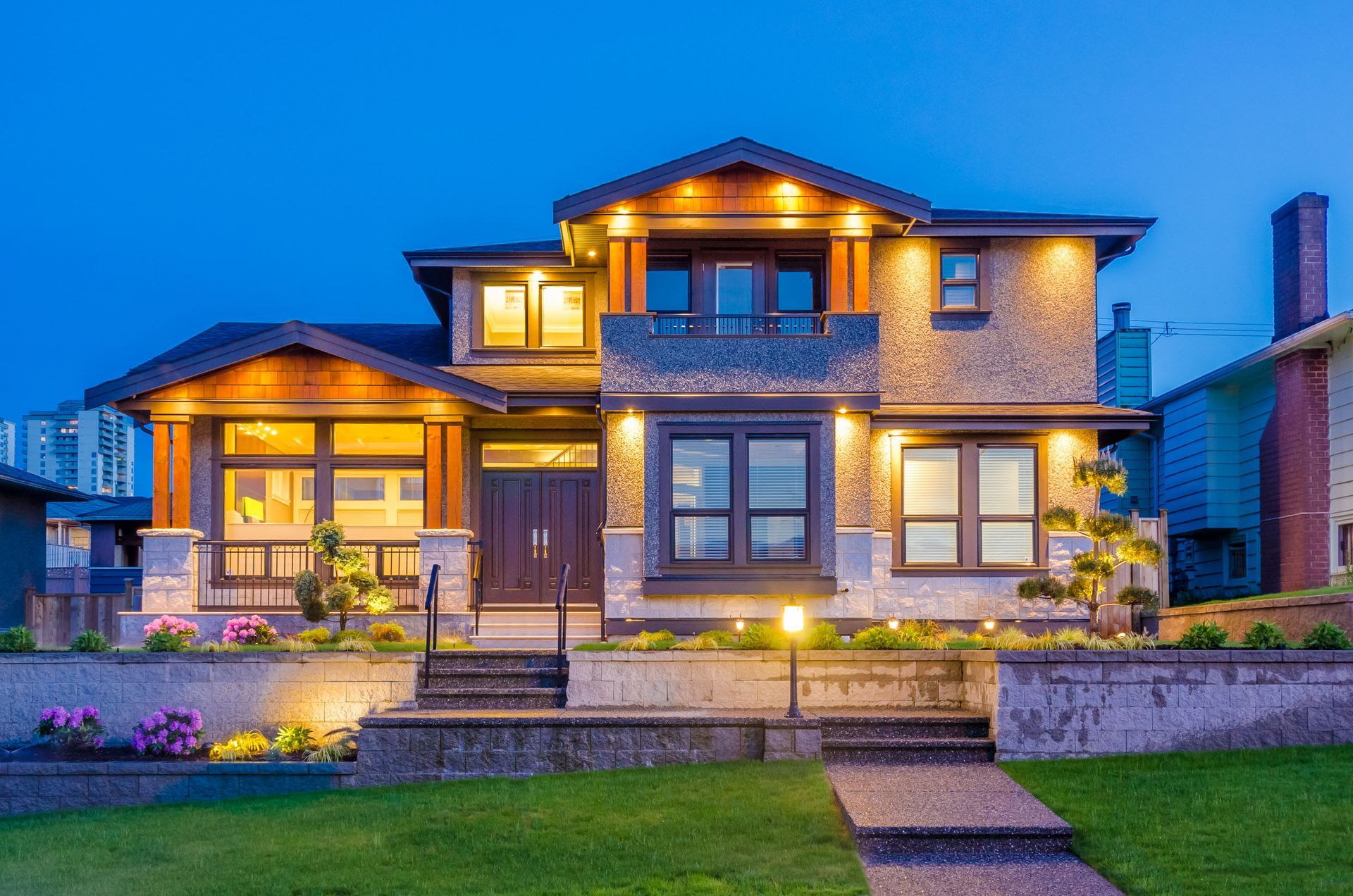
First impressions carry immense weight in real estate transactions. The initial view from the curb determines whether a buyer feels welcomed or skeptical. A rich front yard featuring layered greenery, blooming perennials, and well-proportioned accent specimens generates an immediate emotional connection. Incorporating structured tree and shrub planting guarantees that this visual presentation remains vibrant across every season.
According to Home Guide, a well-landscaped home can sell for up to 20% more than a similar home without comparable plantings. This price premium demonstrates why landscaping should be treated as a sound financial strategy rather than an incidental cosmetic chore. Properties with high visual appeal attract higher online listing traffic, generate more physical tours, and frequently trigger competitive bidding environments that drive up final closing figures.
Calculating Financial Return on Investment
Unlike indoor installations, which begin to wear down the moment they are installed, living plants grow in value as they mature. A young sapling purchased for a modest sum can transform into a majestic shade provider within a decade, adding thousands of dollars in perceived and real estate worth. This continuous compounding effect makes strategic botanical additions an exceptionally reliable asset.
Homeowners often reap savings long before selling the property. Strategically placed greenery lowers air conditioning demands by shielding roofs and walls from intense summer heat, while robust evergreen screens deflect bitter winter gusts to reduce heating loads. The combination of reduced utility bills and steady equity gains ensures that quality tree and shrub planting delivers rewarding ongoing returns throughout the life of the home.
Selecting Canopy Trees to Build Property Equity
Canopy trees serve as the permanent pillars of your outdoor environment. Their expansive branch structures draw the eye upward, provide a graceful scale against architectural lines, and introduce an air of permanence. Designing a cohesive landscape with intentional tree choices establishes an elegant backdrop that accentuates your property's best features.
Beyond visual elegance, tall woody species act as living infrastructure. They intercept heavy stormwater, filter airborne pollutants, and supply protective canopies that shield smaller understory varieties from scorching sun and driving rain. Integrating mindful tree and shrub planting ensures your landscape functions as a resilient, unified ecosystem.
Harnessing the Worth of Mature Trees
Large, established trees are irreplaceable assets that buyers are willing to pay a premium to acquire. Growing a majestic oak, maple, or beech from a seed takes decades, meaning established specimens carry substantial market value. Appraisers routinely apply formal assessment methods to calculate the monetary value of healthy, mature trees based on size, species, location, and structural condition.
Preserving established vegetation while introducing younger specimens secures a continuous cycle of canopy coverage. A yard that combines mature giants with intermediate-stage woody plants conveys balance and enduring care. Protecting these assets through regular fertilization, proper pruning, and routine root-zone care safeguards the equity embedded in your outdoor space.
Choosing Native Species for Climate Resilience
Choosing appropriate species dictates the long-term success, maintenance workload, and survivability of your landscape. Native trees that evolved within your specific climate zone exhibit natural tolerance to local rainfall fluctuations, winter temperature extremes, and native insect populations. They require substantially less supplemental irrigation, fertilizer, and pest control than delicate exotic cultivars.
Hardy regional selections establish root systems quickly, preventing costly transplant shock and premature mortality. Robust native specimens maintain balanced canopies and resist severe weather events like high winds and heavy snow loads. Prioritizing regionally adapted species during tree and shrub planting safeguards your upfront budget and preserves your landscape's health for generations to come.
Utilizing Ornamental Shrubs for Structure and Balance
While tall trees form the overarching canopy of your property, versatile shrubs anchor the middle and lower visual planes. These mid-tier plants bridge the gap between open lawn areas and elevated rooflines, softening foundation edges and framing architectural details. Their rich textures, vibrant blooms, and diverse growth habits provide essential visual balance.
Shrubs also perform indispensable utilitarian functions throughout the garden. Dense branch networks shield vulnerable garden beds from high winds, help stabilize sloped banks against heavy rain erosion, and create tidy enclosures for utilities like air conditioning compressors and trash storage bins. Thoughtful shrub placement turns raw yard space into an organized, functional retreat.
Structuring Foundation Beds and Property Boundaries
Foundation plantings ground a building within its natural surroundings, disguising raw concrete footings, crawl space vents, and utility conduits. A tiered arrangement featuring low-growing evergreens in front of taller flowering species draws the eye smoothly toward the main entrance. This design technique lends homes a balanced, stately appearance.
Balancing Evergreen Foliage and Deciduous Flowers
A well-balanced landscape retains visual appeal across all four seasons. Relying exclusively on deciduous species leaves properties looking barren, exposed, and lifeless once autumn leaves drop. Conversely, relying solely on evergreens can appear monotonous and rigid during warm summer months. Combining both categories guarantees dynamic year-round curb appeal.
Evergreen shrubs like yews, laurels, and dwarf pines deliver deep green color, continuous structure, and reliable wind protection throughout freezing winter months. Deciduous shrubs burst forth in spring with colorful blooms, display lush summer foliage, and conclude the season with fiery autumn tones. Harmonizing these elements through deliberate tree and shrub planting provides continuous curb appeal that catches the eye of passersby in every season.
Achieving a balanced landscape requires sticking to fundamental landscape design principles like scale, proportion, balance, and unity. Planting specimens too close to foundations, walkways, or overhead power lines leads to crowded growth, structural damage, and costly pruning down the road. Every plant must have ample space to spread out at its full mature dimensions.
Proper planting methods are just as vital as sound design layouts. Digging wide, shallow planting holes, loosening bound root balls, keeping root flares level with the surrounding soil, and applying organic wood mulch all support rapid root establishment. By committing to comprehensive planning and diligent tree and shrub planting, you cultivate an enchanting, durable sanctuary that enhances your daily lifestyle while generating substantial equity for the future. Contact Nature Redesigned Landscaping today for more information.